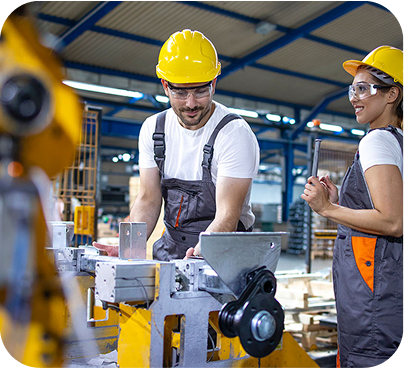
Sustainable Practices Reducing Waste in Industrial Production
Sustainable manufacturing focuses on minimizing waste, improving energy efficiency, and using eco-friendly materials throughout the production cycle. By integrating renewable energy sources, recycling resources, and optimizing supply chains, industries can significantly reduce their environmental footprint while maintaining productivity.
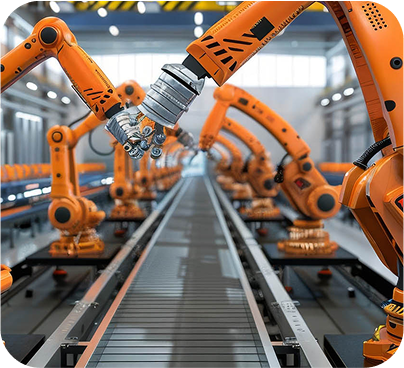
Advanced Robotics Revolutionizing Industrial Workflows
Advanced robotics are transforming industrial operations by increasing precision, reducing human error, and improving overall production speed. Modern robots equipped with AI and machine learning can adapt to new tasks, collaborate safely with humans, and optimize workflows for maximum efficiency. These innovations are driving the next era of smart manufacturing.
Top Benefits of the Robotics in Manufacturing
Robotics brings numerous benefits to manufacturing — including increased precision, faster production, and reduced labor costs. Robots can operate 24/7 without fatigue, ensuring consistent product quality. They also improve workplace safety by handling hazardous tasks and allow human workers to focus on more complex, creative processes.
Leveraging Data Analytics for Smarter Production
Data analytics plays a crucial role in modern manufacturing. It helps identify inefficiencies, predict maintenance needs, and optimize production workflows — leading to smarter, faster, and more cost-effective operations.
Reducing Operational Costs Through Automation
Automation enables industries to cut costs by minimizing manual intervention, reducing errors, and increasing output efficiency. By automating repetitive and time-consuming tasks, companies can optimize resource utilization, streamline workflows, and achieve higher profit margins while maintaining consistent quality and productivity levels.
The Advantages of Customized Manufacturing Solutions
Customized manufacturing solutions allow businesses to design products tailored to specific client requirements, enhancing product value and customer satisfaction. This approach improves flexibility, reduces material waste, and speeds up production through adaptive design and smart automation. It also helps manufacturers stay competitive in rapidly evolving markets by responding quickly to unique demands.